
Advanced Reordering Rules
A clear look at how Odoo 19 upgrades automated replenishment for smarter, more efficient stock control.
Why This Matters
Stock control is a constant balancing act. Odoo 19 enhances Reordering Rules to help businesses maintain ideal inventory levels—reducing shortages, preventing overstocking, and ensuring cash isn’t tied up in shelves.
See It in Action
A quick walkthrough showing how minimum/maximum quantities, lead times, and supplier rules trigger automatic replenishment.
How Reordering Rules Fit Into Odoo
Odoo 19 makes replenishment more flexible, location-aware, and responsive.
Key Improvements
Rules by warehouse, location, or company
Smarter forecasting based on sales history
Automated purchase/manufacturing order generation
Smarter, More Flexible Stock Planning
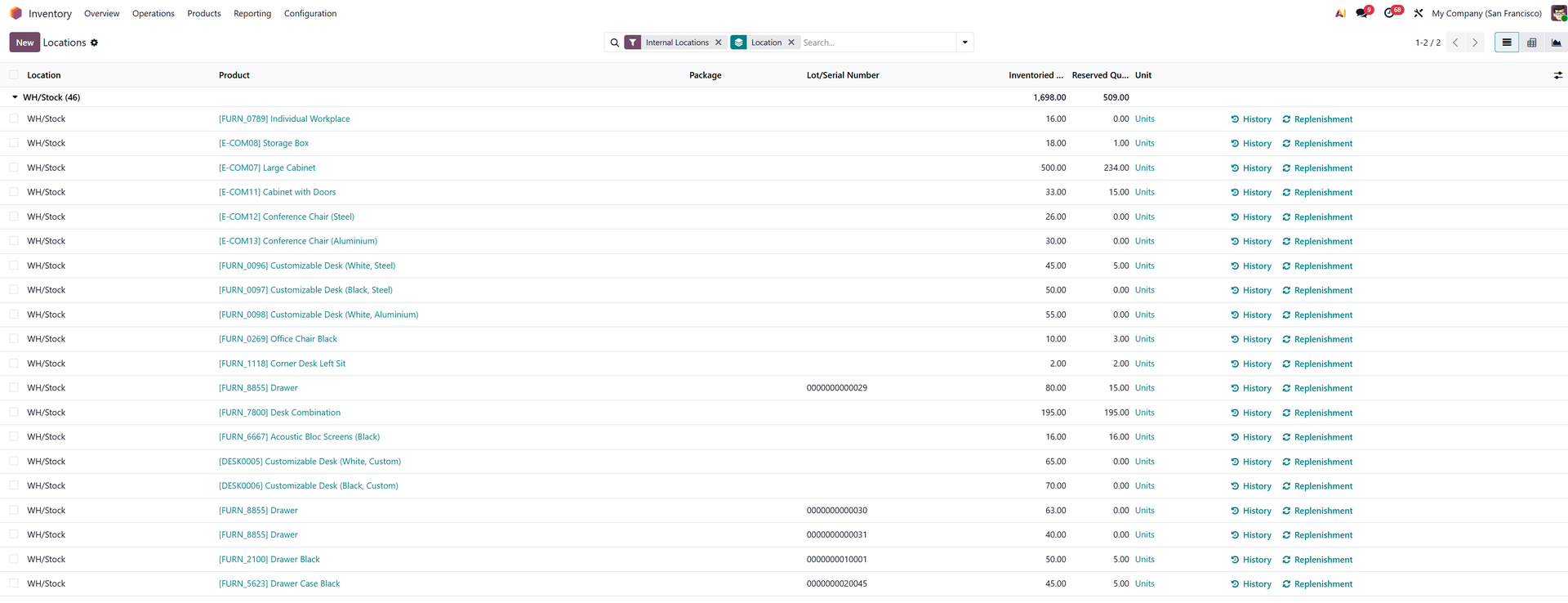
Location-Aware Rules for Real Stock Needs
Reordering can now be tailored per warehouse, per bin, or per company—perfect for multi-site or multi-brand operations.
Key Functions
Applies different rules to different locations
Supports complex multi-warehouse networks
Ensures replenishment matches local demand
Forecast-Driven Replenishment
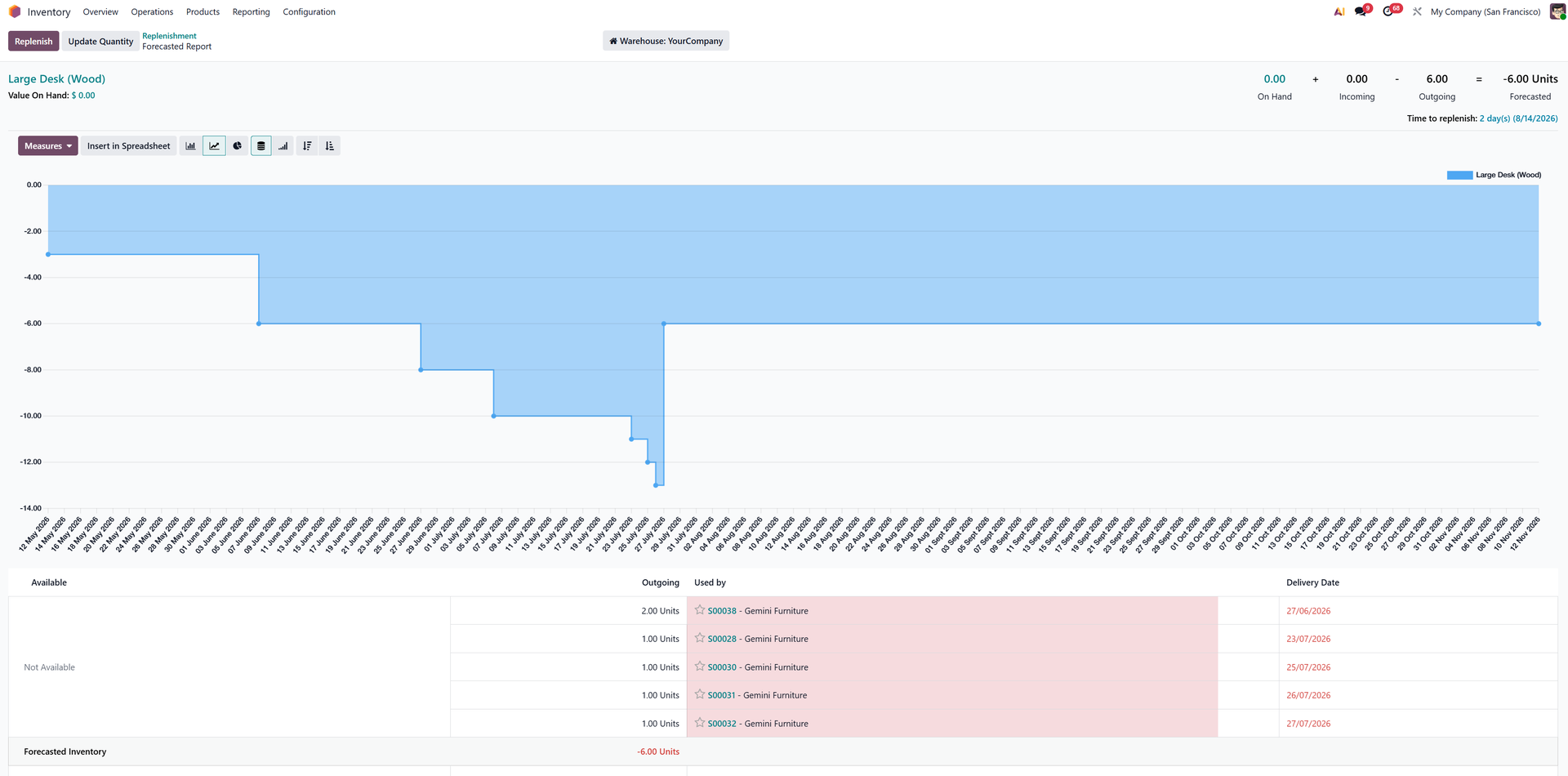
Odoo 19 uses better analytics and sales history to recommend smarter reorder quantities based on demand patterns.
Key Functions
Adjusts stock levels based on sales trends
Helps manage seasonal or volatile products
Reduces unnecessary overstock
Fully Automated Purchase & Manufacturing Triggers
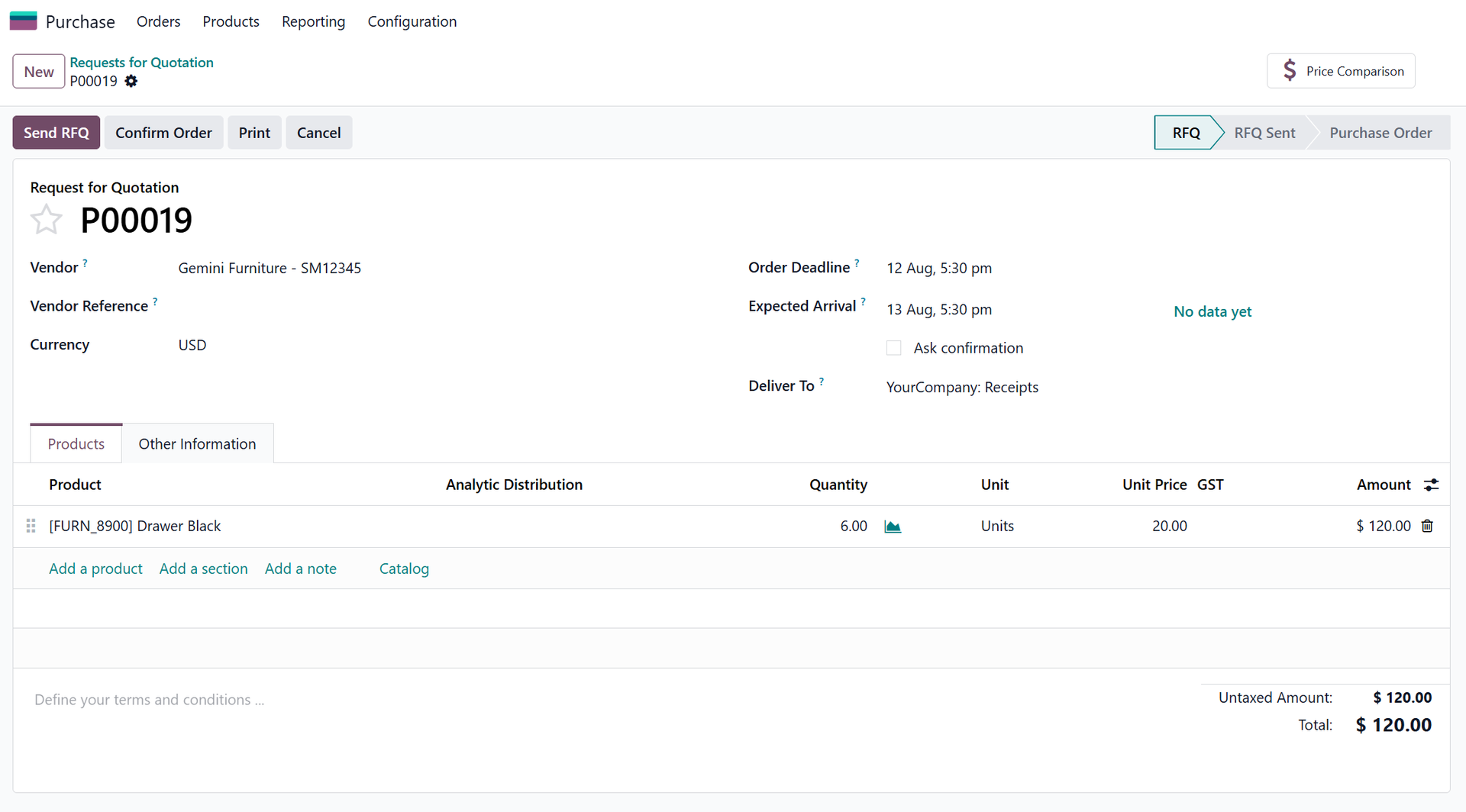
Once minimum thresholds are reached, Odoo automatically launches the right flow—purchase, internal transfer, or manufacturing order.
Key Functions
Creates POs or MOs automatically
Integrates with vendor price lists
Reduces reactive, last-minute purchasing
The Takeaway
Odoo 19 turns reordering into a proactive engine that keeps stock levels healthy without draining cash. For any business with large catalogues, variable demand, or multiple warehouses, these enhancements dramatically cut the manual workload.
Looking Ahead
Future releases are likely to deepen AI-driven forecasting, supplier performance scoring, and automated lead-time adjustments—bringing even more intelligence to replenishment workflows.